
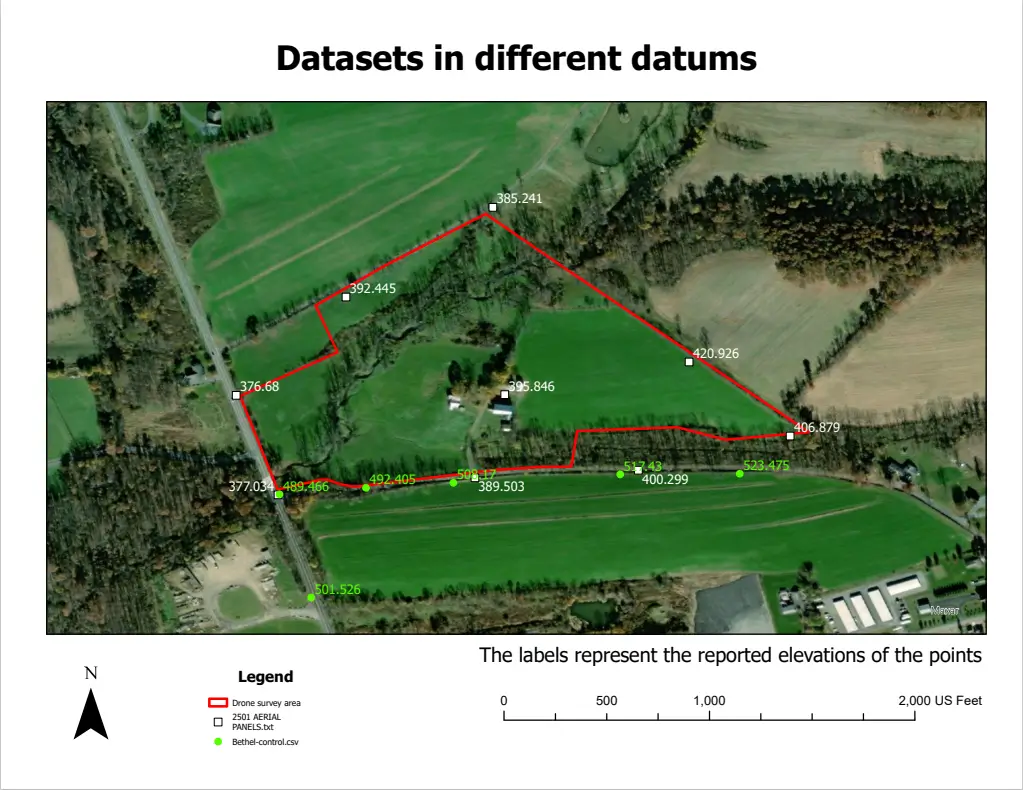
Using drones for surveying and photogrammetry offers numerous advantages over traditional methods. Here are six key benefits:
Increased Efficiency and Speed:
Drones can cover large and difficult terrains quickly, reducing the time required for data collection from days or weeks to just hours. This acceleration allows for more frequent surveys and faster project turnaround times.
Cost-Effectiveness:
Deploying drones reduces the need for extensive manpower and heavy equipment. Lower operational costs stem from reduced labor hours, minimal equipment rental, and decreased fuel consumption, making drone surveys a more economical choice.
Enhanced Safety:
Drones can access hazardous or inaccessible areas—such as steep slopes, contaminated sites, or unstable structures—without putting human surveyors at risk. This capability minimizes accidents and enhances overall site safety.
High-Resolution and Accurate Data:
Equipped with advanced sensors and high-resolution cameras, drones capture detailed images and precise measurements. The high-quality data improves the accuracy of topographic maps, 3D models, and volumetric calculations.
Flexibility and Versatility:
Drones are adaptable to various project needs and environments. They can be equipped with different sensors—including RGB cameras, LiDAR, and thermal cameras—to suit specific surveying requirements like agriculture assessments, infrastructure inspections, or environmental monitoring.
Real-Time Data Access and Processing:
Many drone systems offer real-time data transmission and quick processing capabilities. This immediacy enables project teams to make informed decisions promptly, adjust survey parameters on the fly, and address issues as they arise.
By leveraging these benefits, professionals in construction, mining, agriculture, and environmental conservation can enhance the quality and efficiency of their surveying and mapping projects.
Surveying & Photogrammetry
Drone Imaging provides aerial mapping and photogrammetry services tailored to the needs of surveying, construction, and insurance companies. Aerial mapping involves capturing high-resolution imagery and data using drones, while photogrammetry uses advanced data acquisition and processing techniques to generate accurate 3D models and topographic maps and deliver precise measurements.
Drones in construction are efficient project management tools, increasing safety, saving time, and providing accurate data. They have brought transformative change across construction procedures and operations, enhancing project management, streamlining inspections, and resulting in cost reductions.